
skip to Main Content

How to Choose the Best Outdoor Flooring for Your Space?

Choosing outdoor flooring is not just a style decision. It affects comfort, safety, upkeep, and how well your space handles changing weather. A patio beside a sunny kitchen door has different needs from a shaded deck or a path that stays damp after rain. The right Outdoor Floor should suit the way you actually use the area, not only the look you hope to create.

Start by considering your climate, drainage, and daily routines. Does the surface get hot under bare feet? Will furniture scrape across it? Could children or guests walk over it when wet? Materials such as porcelain pavers, natural stone, composite decking, and treated wood each bring practical trade-offs. Some resist stains well but cost more upfront. Others feel warm and familiar, yet need regular sealing or refinishing. Check product specifications, slip-resistance guidance, and installation requirements before making a decision. A sample viewed outdoors can reveal colors and textures that look different under real sunlight.

Plan for maintenance, too. A beautiful surface can become frustrating if it needs care you cannot realistically provide. Be honest about that. Even experienced homeowners can underestimate drainage or seasonal cleaning, and a small sample will not show every long-term issue. Ask installers about the base, slope, expansion gaps, and local weather exposure. These details matter. This guide outlines the key factors to compare, helping you choose flooring that feels right underfoot and holds up to everyday use. There is no perfect material for every space; a thoughtful fit is usually better than chasing a flawless finish.
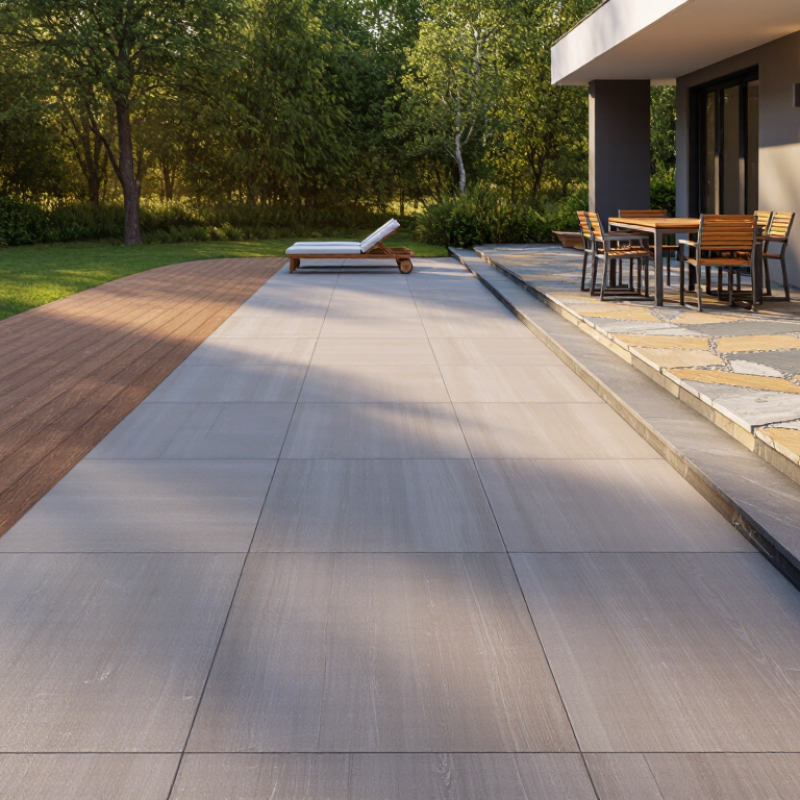
How to Choose the Best Outdoor Flooring for Your Space?

Assess Your Outdoor Space and Flooring Requirements

Assess Your Outdoor Space and Flooring Requirements

Before choosing a surface, watch how your outdoor space behaves through the day. A patio beside a kitchen may collect spills, while a shaded path can stay damp long after rain. Notice where water pools, where leaves gather, and which spots receive strong afternoon sun. Take measurements, too. Odd corners and narrow steps can affect installation time and waste.

Think about how you actually use the area. Children running in from the yard need a surface that feels steady underfoot. A dining spot should handle chair legs, dropped food, and frequent cleaning. If you walk outside barefoot, touch samples at different times of day; some materials become surprisingly hot in direct sun. Small detail, big difference. Also consider pets, mobility needs, and whether you want a firm or softer feel.

Your maintenance habits matter as much as appearance. Some surfaces need periodic sealing, while others mainly need sweeping and occasional washing. Be honest about the upkeep you will manage. I once underestimated how quickly damp leaves could stain a light-colored sample; it was a useful, slightly annoying lesson. Check the product’s suitability for outdoor exposure, drainage requirements, and local climate, then compare samples in the exact area where they will be installed. A showroom tells only part of the story.

Compare Outdoor Flooring Materials and Their Key Features

Outdoor flooring works best when its material suits the way you use the space. Porcelain pavers resist stains and handle frequent cleaning, but they can feel hard underfoot and may become hot in direct sun. Choose textured, outdoor-rated tiles, and check that the surface offers suitable slip resistance when wet. Feel it underfoot. A small sample can reveal more than a color chart.

Concrete is durable and flexible in shape, though it may crack as temperatures and ground conditions change. Wood decking feels warmer and can be comfortable for bare feet, but it needs regular cleaning and, depending on the species and finish, periodic sealing.

Composite boards reduce routine upkeep, yet their surface can heat up in sunlight and may show scratches. Gravel drains easily and is often simple to install, though loose stones can shift beneath chairs or shoes. That part gets annoying.

Compare drainage, shade, foot traffic, and maintenance before choosing. For a rainy patio, a properly sloped surface and clear drainage gaps matter as much as appearance. Near a pool, prioritize traction and water tolerance; in a sunny seating area, check how hot samples become at midday. No material is perfect. I would test a small section through a wet day and a sunny afternoon before covering the whole space.

Evaluate Durability, Weather Resistance, and Maintenance Needs

How to Choose the Best Outdoor Flooring for Your Space?

Evaluate Durability, Weather Resistance, and Maintenance Needs

Start with the conditions underfoot. A sunny patio may fade materials quickly, while a shaded path can stay damp after rain. In freeze-thaw regions, water trapped in porous flooring may expand and cause cracks. Ask how the surface handles foot traffic, furniture legs, and local weather—not just how it looks on a sample board. Samples help, but they cannot show years of wear.

Maintenance matters, too. Some surfaces need regular sealing; others only need sweeping and occasional washing. Picture cleaning muddy footprints after a wet weekend. Will the routine feel manageable? Check installation guidance and care requirements, and confirm that the base can drain properly. Poor drainage can shorten the life of even durable flooring. One detail is easy to miss: lighter surfaces may feel cooler in direct sun, but can show dirt more clearly. There is no perfect option. I would compare expected upkeep with your actual habits, then reconsider whether a low-maintenance choice still suits the space and climate.

Match Flooring Styles, Safety Features, and Installation Methods

Match the flooring to how you use the space, not just how it looks in a catalogue. Textured porcelain can suit a patio where rain is common, while composite boards may feel warmer under bare feet. Feel it barefoot. A small sample can reveal heat, glare, and surface roughness that photos hide. Test it outdoors.

Safety depends on more than material. Look for a slip-resistant finish, especially near steps, pools, and shaded areas where algae or damp leaves can collect. Check that the surface drains well and does not leave standing water beside the house. For elevated decks, confirm the structure can support the flooring and any added weight; an experienced installer can assess uncertain framing.

Installation methods also shape the result. Interlocking tiles can cover a firm, level balcony with limited cutting, but uneven ground may make them shift. Deck boards need secure supports, suitable spacing, and room to expand with temperature changes. Stone or porcelain pavers often require careful base preparation, which takes more time than laying loose tiles. That difference matters. I would not choose a quick installation just because it appears simpler; poor drainage or a moving base can become an expensive flaw. Check the site conditions and the flooring maker’s installation guidance before buying.

How to Choose the Best Outdoor Flooring for Your Space

Compare common outdoor flooring options by style flexibility, slip-safety potential, and installation simplicity. Ratings are indicative planning guidance (1 = lower, 5 = higher), not laboratory measurements; actual performance depends on the product, surface texture, climate, and installation.

Use textured, exterior-rated surfaces in wet areas, and check product specifications for slip resistance, drainage, and climate suitability. Installation simplicity varies with site preparation and the chosen system.

Set a Practical Budget and Select the Best Flooring Option

Set a realistic budget before comparing outdoor flooring. Include more than the price per square foot. Add delivery, surface preparation, cutting waste, fasteners, edging, and installation labor. A patio with uneven ground may need extra leveling. That cost can change which option makes sense.

Measure the area carefully, then add a small allowance for offcuts; the right amount depends on the layout. Get written estimates that separate materials from labor. Compare the full installed cost, not just attractive online prices. Concrete pavers may cost more to install than loose gravel, while gravel can require regular raking and replenishment. Decking boards may need a stable frame and space for drainage. Ask how each surface handles shade, rain, heat, and frequent foot traffic. Think about upkeep, too. A cheap floor can become expensive if it needs frequent repairs.

Keep a contingency. About ten percent is a practical starting point, though older patios or poor drainage may call for more. I once underestimated disposal and leveling costs; the estimate looked tidy, but the final bill did not. That was a useful, slightly annoying lesson. If money is tight, finish the main walking area first and leave less-used corners for later. Choose samples in natural daylight, and check them after rain if possible. A surface that looks good in a small showroom can feel very different beside a damp garden.

How to Choose the Best Outdoor Flooring for Your Space? — Set a Practical Budget and Select the Best Flooring Option
Flooring Option Typical Material Cost Best For Durability & Maintenance Budget Considerations Key Trade-Off
Concrete pavers About $3–$10 per sq. ft. Patios, walkways, and high-use areas Durable and replaceable by section; occasional cleaning and joint-sand maintenance may be needed. Include the base, edging, delivery, and labor. A well-prepared base helps reduce settling. Versatile and sturdy, but installation requires careful ground preparation.
Natural stone About $8–$30+ per sq. ft. Premium patios and areas where a natural appearance is important Long-lasting when correctly installed; some stone types benefit from periodic sealing. Stone type, thickness, cutting, and installation can substantially affect the total cost. Distinctive appearance and strength, with a higher purchase and installation cost.
Gravel About $1–$4 per sq. ft. Paths, informal seating areas, and projects with limited budgets Permeable and straightforward to repair; may need topping up, raking, and weed control. Plan for landscape fabric, edging, and enough depth to create a stable surface. Low initial cost, but it is less firm underfoot and can shift over time.
Porcelain outdoor tile About $5–$15 per sq. ft. Covered patios and properly prepared, stable outdoor surfaces Low-porosity tile resists stains; choose a product rated for exterior use and slip resistance. Allow for suitable substrate preparation, mortar, grout, and skilled installation. Easy to clean and available in many finishes, but installation tolerances are important.
Pressure-treated wood decking About $2–$5 per sq. ft. for boards Raised decks and spaces where a traditional timber look is preferred Requires regular cleaning and periodic staining or sealing; inspect for wear and fastener issues. Boards are only part of the budget: include framing, fasteners, stairs, and finishing. Often economical upfront, but ongoing maintenance adds time and cost.
Composite decking About $5–$13 per sq. ft. for boards Decks where reduced routine upkeep is a priority Usually needs cleaning rather than staining; performance and fading resistance vary by product. Compare board, substructure, fastening, and installation costs; some systems require specific components. Lower routine maintenance than wood, with a higher initial material cost.
Budget tip: These are indicative U.S. material-price ranges, not installed prices. Local labor, site access, drainage, demolition, sub-base work, and regional prices can change the project total. Request itemized quotes and keep a contingency of around 10–15% for unexpected work.