How to Choose the Best Flat Laminating Machine in 2026?
Choosing the best Flat Laminating Machine in 2026 requires more than comparing speed and purchase price. A reliable choice should match your materials, production volume, workspace, and finishing expectations. Film thickness, sheet width, heating control, roller pressure, and warm-up time can directly affect the final result.
This guide examines practical features that experienced operators check before buying. A machine handling classroom posters may not suit industrial packaging or high-volume print shops. Consider a visible temperature display, stable rollers, adjustable settings, and easy access for cleaning. Small details matter. A poorly aligned roller can create bubbles, wrinkles, or uneven edges within minutes. Energy use and replacement parts also deserve attention, especially when the machine runs for several hours daily.
No machine is perfect. A higher price does not automatically guarantee better lamination. Marketing claims can sound convincing, yet real performance depends on film quality, operator skill, and regular maintenance. A careful evaluation should include sample testing with your actual paper, photographs, labels, or flexible materials. Ask suppliers about training, warranty coverage, service response, and spare roller availability. These questions reveal more than a polished product brochure.
The recommendations in this article combine technical considerations with practical buying experience. They also acknowledge a common mistake: choosing capacity for an imagined future workload instead of today’s measurable needs. By comparing performance, reliability, safety features, and long-term operating costs, buyers can select a Flat Laminating Machine with greater confidence. The best decision is not always the fastest one. It is the machine that delivers consistent results without creating unnecessary maintenance problems.
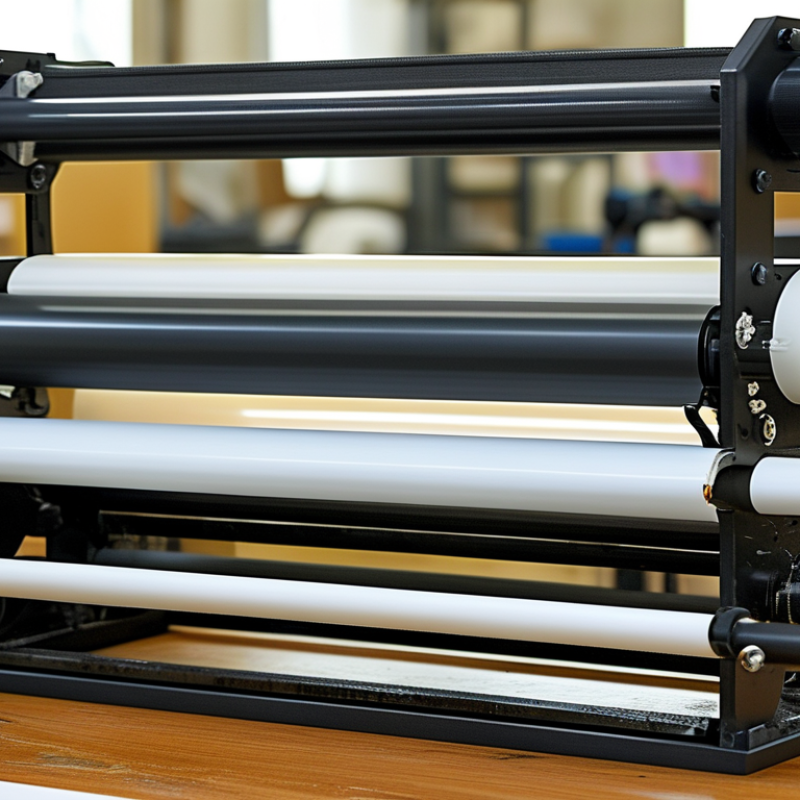
What Is a Flat Laminating Machine and How Does It Work?
A flat laminating machine bonds two or more flat materials into one layered sheet. Common inputs include paper, cardboard, film, foil, and textiles. The machine usually applies adhesive, aligns the layers, and presses them through heated or pressure-controlled rollers. Heat may activate a thermal film, while solvent-free or water-based adhesive systems create a separate bonding route. The finished sheet leaves flatter, stronger, and more resistant to moisture or scuffing. That sounds simple. It is not.
According to Grand View Research, the global laminating machines market is projected to expand at a compound annual growth rate of more than 5% through the decade. Smithers also reports continuing growth in packaged paper and flexible packaging demand through 2029. These figures matter when choosing a 2026 machine, but market growth does not guarantee a suitable specification. Check the usable sheet size, roller pressure, heating range, adhesive compatibility, and hourly output. A narrow roller can waste large sheets. Uneven pressure can leave silvering, bubbles, or weak edges. In practical trials, operators should test the actual paper weight, film thickness, and drying time. Energy use deserves attention too; heating systems can dominate operating costs during long shifts. A machine with lower peak speed may produce fewer rejects. That trade-off is easy to miss. Review safety guarding, emergency stops, temperature stability, and cleaning access before comparing price. Reports provide direction, not a final answer. Real materials still decide performance.
Sources: Grand View Research, Laminating Machines Market Report; Smithers, The Future of Packaging to 2029.
How to Compare Machine Size, Pressure, Speed, and Temperature
How to Choose the Best Flat Laminating Machine in 2026?
Choosing a flat laminating machine starts with four measurable factors: size, pressure, speed, and temperature. Measure your largest panel, then add clearance for loading and alignment. A machine that barely fits the workpiece can slow production and cause handling mistakes. Check the usable table area, not only the outside dimensions. Pressure should match the material stack and adhesive type. Too little pressure may create bubbles. Too much pressure can leave marks or squeeze out adhesive. Ask for pressure readings across the full table, because uneven force often appears only on wider panels.
Tips: Create a simple comparison sheet. Record table size, working pressure, heating range, and cycle time. Test samples using your real materials. A high speed setting may look attractive, but rushed heating can produce weak bonding. Temperature control should remain stable from one cycle to another. Use an independent thermometer during trials. Displayed values are useful, but they are not always exact.
In production testing, operators should check loading time, surface quality, and cleaning effort. Speed means more than pressing quickly. It includes heating, pressing, cooling, and unloading. Compare the complete cycle. One detail is easy to miss: thicker materials may need a slower, longer cycle. That is less impressive on paper, yet often more reliable. Leave room for adjustment. Real materials vary, and the perfect setting may change after a long shift.
What Features Improve Safety, Precision, and Production Efficiency?
Choosing the best flat laminating machine in 2026 requires more than comparing maximum pressure or heating speed. Safety should be visible in daily operation. Look for guarded moving parts, two-hand controls, emergency stops, and door interlocks that halt motion immediately. A clear control panel can prevent hurried mistakes during busy shifts. Keep hands clear. Operators also need simple cleaning access and maintenance instructions written in plain language.
Precision depends on stable heat, even pressure, and accurate alignment. Independent temperature zones can reduce hot and cold areas across the platen. Digital pressure sensors are useful, but regular calibration still matters. A machine may display perfect numbers while producing uneven edges. Small errors become visible. Check platen parallelism with a test sheet, then inspect the laminate under angled light. I once valued faster heating too highly; consistent temperature often protects quality better than a shorter warm-up.
Production efficiency comes from controlled, repeatable cycles. Adjustable timers, stored job settings, automatic pressure release, and quick material changes can reduce idle minutes. Energy monitoring also reveals whether standby heating is quietly increasing operating costs. Choose a design that allows operators to see the work area without opening safety guards. Measure the complete cycle, including loading, unloading, cleaning, and setup. Speed can mislead. A reliable machine should make defects easier to find, not merely produce more units.
The chart presents practical procurement benchmarks for industrial flat laminating machines. Safety focuses on guarding, emergency-stop access, and thermal protection; precision emphasizes temperature stability and positioning repeatability; production efficiency covers throughput, changeover time, and energy use. Verify the actual figures with supplier test records before purchasing.
How to Select the Right Flat Laminating Machine for 2026 Needs?
Selecting the right flat laminating machine for 2026 needs begins with your actual production routine. Measure sheet sizes, film types, daily volume, and average job length. A machine built for occasional signage may struggle with continuous commercial work. Check its maximum working width and useful pressure range. These details prevent expensive surprises.
Material compatibility matters greatly. Test paper, board, synthetic sheets, thermal films, and delicate printed surfaces before purchasing. Ask for sample trials using your own materials. Observe edge sealing, bubbles, wrinkles, and adhesive consistency. Temperature control should remain stable across the working table. Uneven heat can damage a beautiful print quickly.
Automation can improve repeatability, but it should not replace operator judgment. Look for adjustable speed, clear controls, emergency stops, and easy cleaning access. Energy use and warm-up time also affect long-term operating costs. I have seen impressive machines perform poorly because their rollers were difficult to maintain. That mistake is easy to overlook.
Reliable technical support, spare-part availability, and clear training deserve equal attention. A lower purchase price may become costly when small faults stop production. I would also question unrealistic capacity claims. Real output depends on setup time, material changes, and operator experience. Choose measured performance over impressive promises.