How to Choose the Right Plastic Cable Drag Chain for Your Needs?
Choosing the right Plastic Cable Drag Chain can significantly impact operational efficiency in various industries. According to industry reports, the demand for cable drag chains is projected to grow by over 5% annually through 2025. As industries embrace automation and advanced machinery, selecting the suitable drag chain becomes essential.
Different applications require distinct features in a Plastic Cable Drag Chain. Considerable factors include load capacity, flexibility, and environmental conditions. Data suggests that inappropriate selection can lead to premature wear or failure, costing businesses significant downtime and repair expenses. For instance, in automated manufacturing, the wrong drag chain can hinder movement, affecting overall productivity.
The market offers a wide range of options, but not all chains are created equal. It's crucial to consult experts and review specifications thoroughly. Many companies overlook these details, assuming one size fits all, which can lead to misguided choices. Businesses must invest time in understanding their specific needs to avoid operational setbacks.
Understanding the Basics of Plastic Cable Drag Chains
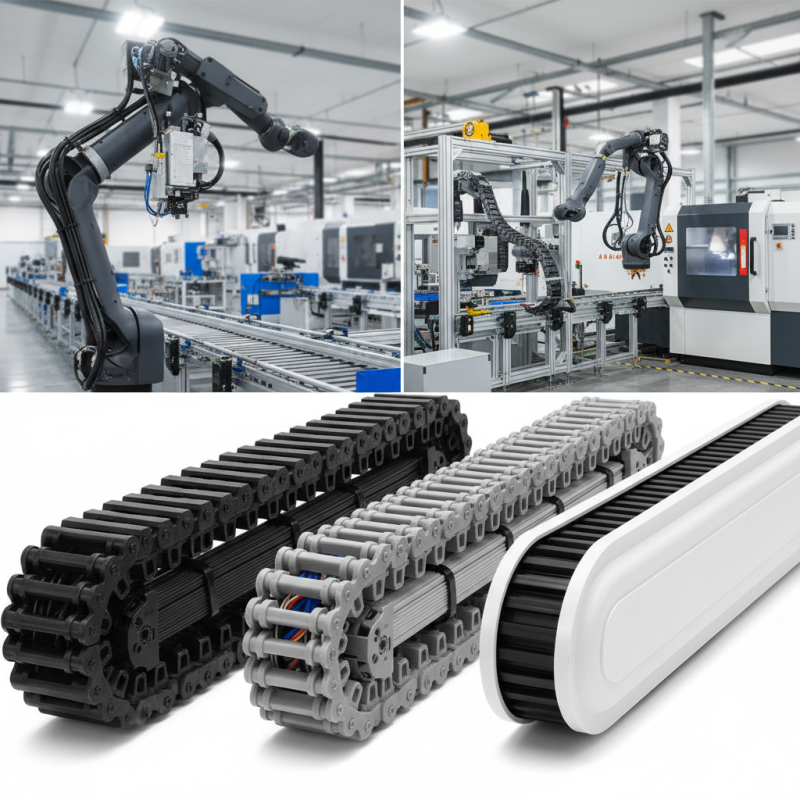
When considering plastic cable drag chains, it's vital to grasp their core purpose. These chains protect cables and hoses in various applications, ensuring they remain organized and free from damage. They are extensively used in CNC machines, robotic arms, and conveyor systems. Proper installation can greatly improve the longevity of your cables.
Tips: Always check for compatibility with your cable sizes. Measure the length and bend radius required for your specific application. An incorrect fit can lead to early wear and tear.
Choosing the right material is equally important. Common plastics used in drag chains include nylon and polyethylene. Each offers unique benefits, such as flexibility, resistance to chemicals, and durability under stress. However, consider the environment in which the chain will operate. For instance, chains exposed to high temperatures or chemicals may require specialized materials.
Tips: Pay attention to load capacity ratings. Exceeding these ratings can compromise both performance and safety. Also, think about maintenance. Some materials may need lubrication or regular cleaning to ensure optimal performance.
Choosing the Right Plastic Cable Drag Chain: A Comparative Analysis
Identifying Your Application Requirements for Drag Chains
When choosing a plastic cable drag chain, understanding your application requirements is crucial. Factors such as load capacity, bend radius, and the environment of use greatly influence the decision. According to industry data, around 30% of drag chain failures stem from incorrect sizing or application mismatch. Therefore, assessing these parameters accurately can save both time and money.
Tip: Always measure the effective cable length and consider the drag chain's dynamic load. This will help avoid unnecessary wear and tear.
Another aspect to consider is the material composition of the drag chain. Depending on the environment—be it high temperatures, exposure to chemicals, or outdoor conditions—you may need specific materials. Reports indicate that chains made from nylon or polypropylene are often chosen for their durability and flexibility in various settings.
Tip: Test different materials in your specific operating conditions before making a final decision. It’s vital to remain aware of potential failures due to environmental stressors, as 50% of operational issues can trace back to insufficient material choice.
Evaluating Material Options for Durability and Flexibility
When selecting a plastic cable drag chain, material options play a crucial role. The right materials ensure durability and flexibility, which are essential for the longevity of your application. Polypropylene and nylon are popular choices. They offer good resistance to wear, chemicals, and varying temperatures. However, not every application suits these materials equally. Consider the specific environmental factors your drag chain will face.
Tips: Assess the operating conditions. High temperatures may require special formulations. Chemicals can degrade standard materials, leading to premature failure. Always test samples under actual conditions when possible. It’s prudent to reconsider your choice if the chain doesn’t meet performance expectations.
Flexibility is another essential aspect. A flexible drag chain can accommodate bending and twisting without damage. Look for chains with dynamic designs that allow for smooth movement. Beware, though. A more flexible chain might compromise strength in high-load situations. Balancing these factors is vital for optimal performance. Adaptability is key, and revisiting your requirements can lead to better solutions.
Selecting the Right Size and Configuration for Your Setup
Selecting the right size and configuration for a plastic cable drag chain is crucial. Start by measuring the cables and hoses you plan to use. Inadequate space may lead to wear and tear over time. Check how many cables you need to place inside the drag chain. Having an exact count helps in choosing a chain that fits comfortably.
Consider the environment where the drag chain will be used. Dusty or wet conditions may require a specific design. A flexible option might be unsuitable if flexibility is not necessary. Keep in mind that a too-large chain can lead to excessive movement, affecting overall stability. At the same time, a tighter fit can cause cables to be pinched, leading to premature failures.
Reflect on your setup's unique requirements. Your ideal solution may not always align with standard options available. Customizing the drag chain can lead to better performance. Regular assessments will help identify any adjustments needed for optimal functionality. Be open to the idea of changing configurations as your requirements evolve. Each project will teach you something new about your needs and expectations.
Comparing Cost and Quality Among Different Manufacturers
When selecting a plastic cable drag chain, understanding the balance between cost and quality is crucial. Different manufacturers offer various options that may look appealing but can differ significantly in longevity and performance. The initial price of a drag chain can tempt buyers; however, a lower-cost product may lead to more frequent replacements. This often results in higher long-term expenses.
Quality assurance is another vital aspect. Manufacturers with a track record of high standards usually provide products that last longer and perform better under stress. Look for detailed specifications and material descriptions. This information can help in assessing whether the drag chain can handle the specific conditions of your application. Don’t shy away from asking for samples to test before making a bulk purchase. This practical approach could uncover discrepancies between price and performance.
Moreover, consider the importance of warranty and support. Some manufacturers may offer extended warranties or comprehensive after-sales support. This can be a sign of confidence in their product. Engaging with communities or forums can provide insights into users' experiences with different brands. These reflections could guide your choices and lead to better decisions based on real-life applications.
How to Choose the Right Plastic Cable Drag Chain for Your Needs? - Comparing Cost and Quality Among Different Manufacturers
| Manufacturer | Material | Load Capacity (kg) | Price (per meter) | Durability Rating | Temperature Range (°C) |
| Manufacturer A | Polyamide | 50 | $10.00 | High | -20 to +80 |
| Manufacturer B | PVC | 30 | $7.50 | Medium | -10 to +60 |
| Manufacturer C | Polypropylene | 40 | $8.00 | High | -15 to +70 |
| Manufacturer D | Acetal | 60 | $12.00 | Very High | -20 to +90 |