
Blog
How to Check THC Vape Safety and Legal Compliance
A thc vape should be assessed through verifiable safety information and compliance with the rules where it is sold and used. A polished package is not enough. Buyers and retailers need clear labeling, traceable batch details, and evidence from appropriately accredited testing laboratories. Small details matter: a readable lot number, a sealed package, and a test report that matches the product in hand.
The CDC reported 2,807 hospitalizations and 68 deaths linked to the 2019–2020 EVALI outbreak by February 18, 2020. CDC investigations associated the outbreak particularly with THC-containing products from informal sources. A study published in the New England Journal of Medicine found vitamin E acetate in lung-fluid samples from 48 of 51 patients examined. These findings describe a specific outbreak, not every product sold today. That distinction matters. Still, the history shows why ingredients, sourcing, and independent testing deserve scrutiny.
A practical review should check whether the certificate of analysis identifies the same batch and reports relevant contaminants, such as pesticides, residual solvents, and heavy metals. Confirm that the laboratory and seller can be verified through official records. Then check current rules with the relevant local regulator; product limits, testing standards, and sales requirements vary by jurisdiction. Even this check is not perfect. Documents can be incomplete, and a reassuring label cannot replace regulator guidance or medical advice. This guide offers a careful starting point, not a guarantee of safety.
Identify the THC Vape Product and Its Intended Market
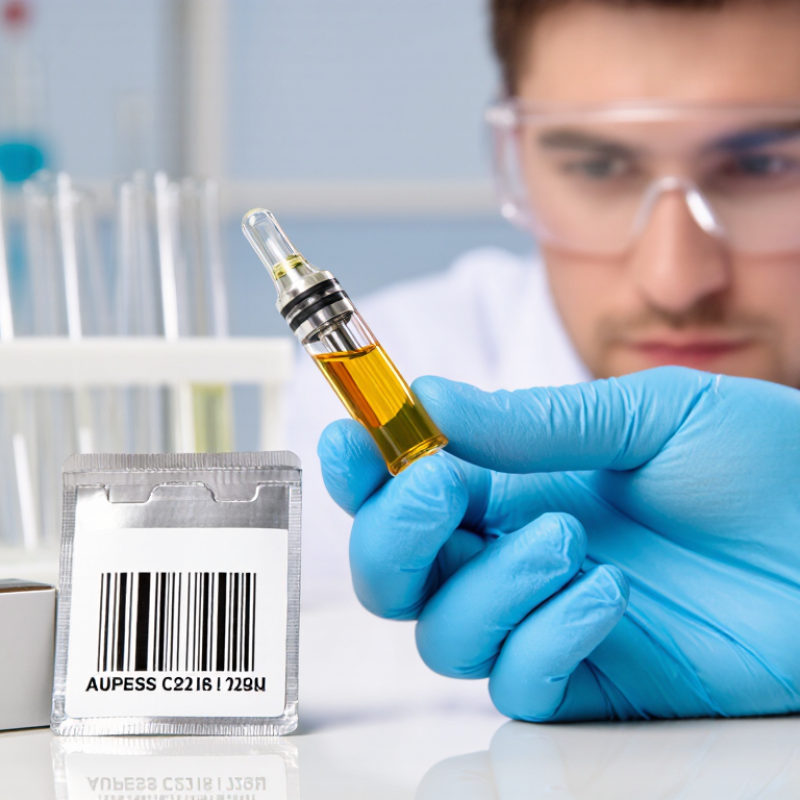
Before assessing a THC vape, identify exactly what the package claims it contains. Check the product name, THC concentration, ingredient list, batch or lot number, and manufacturer or importer details. The intended market matters because labeling rules and permitted products differ by location. A package designed for one market may not meet another market’s requirements. Labels can be confusing.
Compare the package with information from the relevant local regulator or a licensed seller. If a batch-specific laboratory report is available, confirm that its product details and batch number match the package. Look for clear ingredient disclosure and intact packaging. Missing details, mismatched numbers, or vague claims make verification difficult. I would pause rather than treat polished packaging as proof of quality. THC vaping can carry health risks, and a label cannot establish that a product is safe for everyone.
Tips: Check the intended market before relying on any label. Verify the batch, ingredients, and applicable local requirements using official sources. If the package is damaged or key details cannot be confirmed, do not use it; seek guidance from a qualified health professional or local regulator.
How to Check THC Vape Safety and Legal Compliance - Identify the THC Vape Product and Its Intended Market
| Check Dimension | What to Verify | Evidence to Look For | Safety or Compliance Action |
|---|---|---|---|
| Product identity | Determine whether the item is a disposable vape, cartridge, pod, or refill liquid, and whether it contains delta-9 THC, another THC isomer, or a mixture. | Package and device labels, ingredient list, cannabinoid amount per unit, batch or lot number, and product form. | Do not rely on terms such as “hemp,” “natural,” or “THC-free” without checking the full ingredient and laboratory information. |
| Intended market | Identify the specific country and, where applicable, state, province, territory, or other jurisdiction where the product is sold and used. | Market-specific packaging, required warnings, language, permitted product category, and applicable regulator or licensing information. | Assess the rules for the actual destination market; legality in one jurisdiction does not establish legality in another. |
| Authorization and sale channel | Check whether the product category may be sold there and whether the seller and supply channel are authorized for that category. | Current regulator or licensing records, authorized-retailer information, and any required product registration or approval. | Confirm details with the relevant government regulator. A certificate of analysis alone does not prove that sale or possession is lawful. |
| Market-specific legal rules | Review THC definitions, product limits, age restrictions, possession rules, packaging requirements, and restrictions on particular cannabinoids. | Current statutes, regulations, and regulator guidance for the exact jurisdiction and product type. | In the United States, federal and state rules can differ, and hemp-derived status does not by itself establish that an intoxicating product is lawful. In Canada, non-medical cannabis is subject to federal and provincial or territorial rules, including authorized sales channels. In the United Kingdom, THC is generally controlled, subject to limited legal exceptions such as qualifying prescribed medicines. Verify current rules directly. |
| Batch-specific laboratory report | Confirm that test results apply to the exact product and production batch being assessed. | A dated report identifying the sample, lot or batch, laboratory, test methods, and results for cannabinoids and relevant contaminants. | Treat missing, expired, mismatched, or unverifiable reports as a reason to pause. Testing scope and acceptance limits vary by jurisdiction. |
| Cannabinoid content and label accuracy | Compare the stated THC and other cannabinoid amounts with the batch report and the rules for the destination market. | Results reported in clearly identified units, such as milligrams per cartridge or percentage by weight, with the tested analytes listed. | Do not assume a single concentration threshold applies everywhere. Check how the jurisdiction defines and measures THC for that product. |
| Contaminants and additives | Check whether the testing and ingredient information address contaminants relevant to inhaled products. | Where required or appropriate, results for pesticides, residual solvents, heavy metals, microbial contamination, and other regulated substances; a complete ingredient list. | Avoid products with undisclosed ingredients or unexplained additives. A “pass” is meaningful only in relation to the tests performed and the applicable local limits. |
| Device and packaging condition | Inspect the device, cartridge, seal, and packaging for visible damage, leakage, tampering, or missing safety information. | Intact packaging, legible batch identification, ingredient and warning labels, and instructions appropriate to the device. | Do not use a leaking, damaged, altered, or untraceable product. Keep vape products away from children and pets. |
| Age, warnings, and claims | Check required age restrictions, health warnings, serving or dose information, and whether marketing claims are permitted. | Jurisdiction-compliant label text and warnings; no unsupported medical claims or misleading statements about risk or legality. | Do not treat “compliant” or “tested” marketing language as proof. Confirm required wording against current official guidance. |
| Transport and cross-border use | Check rules for carrying, shipping, importing, or exporting the product, including air-travel restrictions. | Current customs, transport, and carrier requirements for every jurisdiction on the route. | Do not assume that a product lawful where purchased may be transported across a border or carried on a flight. |
| Final decision record | Record the product type, batch, intended market, documents reviewed, and any unresolved questions. | Product label, batch report, official regulatory references, and date of review. | If identity, testing, authorization, or local legality cannot be verified, do not treat the product as confirmed safe or compliant. This checklist is informational and is not legal or medical advice. |