
Blog
Top 10 Benefits of Using Rotogravure Press in Packaging Production?
The packaging industry has evolved significantly with advancements in printing technology. One of the standout methods is the rotogravure press. This printing technique offers numerous advantages that can transform the packaging production process. It excels in producing high-quality images and intricate designs. Many businesses are turning to this method for its efficiency and versatility.
Rotogravure press provides consistent results, making it popular among manufacturers. Its ability to handle large volumes makes it ideal for mass production. Companies appreciate how it minimizes waste and reduces costs over time. However, potential users must understand its complexities. The initial setup may require significant investment and expertise.
Not every project is a perfect fit for this technology. Applying rotogravure press effectively involves careful planning and knowledge of materials. Despite challenges, the benefits are compelling. Embracing this printing technique can elevate packaging quality and brand appeal.
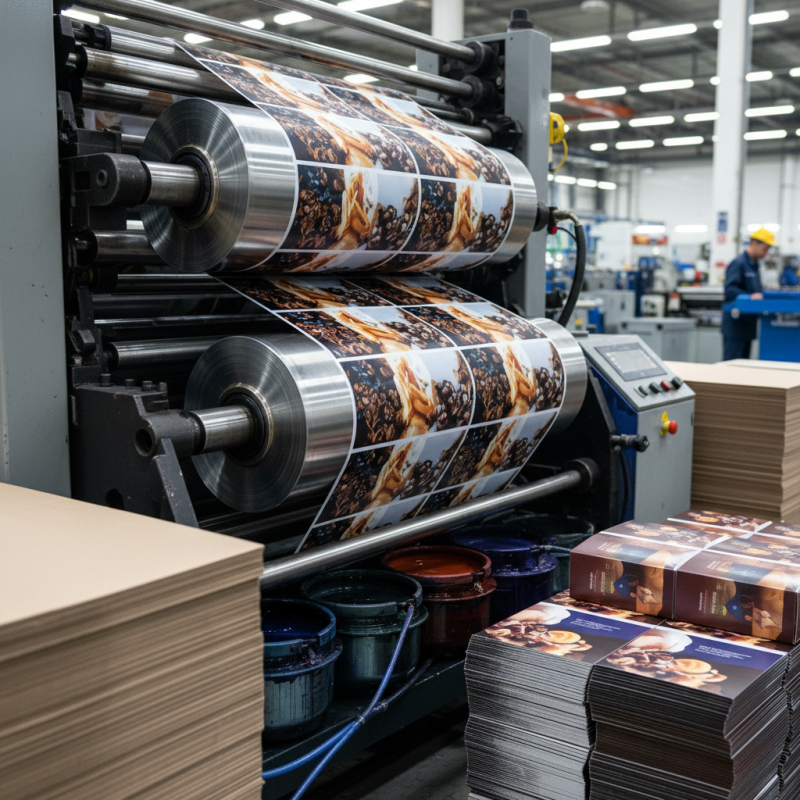
Benefits of Enhanced Print Quality With Rotogravure Technology
When it comes to packaging production, rotogravure technology stands out for its ability to enhance print quality dramatically. This printing process uses engraved cylinders to apply ink, enabling precision and detail that other methods struggle to achieve. The result is vibrant colors and crisp images that capture consumer attention, a crucial factor in marketing.
Another significant advantage is the consistent quality throughout long production runs. As the process minimizes variations between prints, brands can maintain their identity. However, achieving this consistency requires careful cylinder preparation and regular maintenance of the presses. It's a demanding process, but the end result is worth the effort.
Moreover, rotogravure allows for a wider range of ink types and materials. From metallic inks to eco-friendly options, this flexibility can cater to diverse packaging needs. It offers companies a unique edge by adapting to evolving market trends. Yet, the initial setup costs can be daunting for smaller producers. Balancing investment and output quality is crucial. Each aspect of rotogravure brings benefits, but awareness of the challenges is essential for making informed decisions.
Cost Efficiency: Reducing Production Expenses Through Rotogravure
Rotogravure press technology is transforming packaging production. This method can significantly cut costs while enhancing print quality. Businesses can achieve greater efficiency in operations. The setup time is shorter compared to other printing processes. This means quicker turnaround times and reduced labor expenses.
Material usage is also optimized with rotogravure. Using less ink on each print run leads to savings. Companies can also choose from various substrates, allowing for innovative packaging solutions. Some may worry about initial setup costs, yet these often pay off over time. The longevity of rotogravure cylinders can lead to fewer replacements, lowering expenses in the long run.
Another factor to consider is the production scale. High-volume runs are where rotogravure truly shines. The speed at which this method operates helps spread costs over larger quantities. However, for smaller batches, it might not be the most economical choice. Still, its potential for cost efficiency makes it a preferred option for many industries. Receiving feedback on these results can help adjust production strategies to maximize benefits.
Faster Production Speed Compared to Other Printing Methods
Rotogravure press is a powerful tool in packaging production, especially known for its speed. Many industries benefit from this technology. The process allows for quicker turnaround times, which is crucial in today’s fast-paced market. Unlike traditional printing methods, rotogravure can handle large volumes efficiently. It is ideal for long runs and high-quality prints.
One key aspect is the continuous production capability. This feature leads to minimal downtime during printing. Optimizing workflows in packaging reduces operational costs. The high print speeds can significantly enhance productivity, yet there is a need for careful quality control. Fast production might risk print defects if not monitored properly. Striking a balance between speed and quality is essential.
Moreover, the ability to print on various substrates adds to its versatility. From flexible films to paperboard, rotogravure adapts to many materials. However, not every application might be suited for this method. Assessing the specific needs of a project can be challenging. Packaging professionals must understand when rotogravure is the right choice for their production demands.
Top 10 Benefits of Using Rotogravure Press in Packaging Production
| Benefit | Description | Impact on Production |
|---|---|---|
| High Speed | Rotogravure presses can operate at much higher speeds than other printing methods. | Increased throughput and reduced production time. |
| Consistent Quality | Provides uniform ink distribution and high-quality prints over long runs. | Minimized waste and enhanced brand reputation. |
| Versatility | Can print on a variety of substrates, including plastic, paper, and metal. | Ability to cater to diverse packaging needs. |
| High Ink Density | Allows for rich colors and detailed images due to deeper ink transfers. | Enhanced visual appeal of packaging. |
| Cost-Effective for Long Runs | Lower cost per unit for large production volumes. | Improved profit margins on bulk orders. |
| Rapid Turnaround | Quick setup and changeover times compared to other methods. | Faster delivery to market. |
| Environmentally Friendly | Use of water-based inks reduces hazardous waste. | Better compliance with environmental regulations. |
| Enhanced Print Resolution | Capable of achieving high resolutions that rival digital printing. | Greater detail in complex designs. |
| Less Production Downtime | Robust machinery with fewer breakdowns. | Sustained output keeps schedules on track. |
| Ability to Print Large Formats | Can accommodate larger surface areas in packaging design. | Flexibility in packaging design options. |
Flexibility in Material Usage for Diverse Packaging Solutions
Rotogravure presses are gaining popularity in the packaging industry. One major advantage is their flexibility in material usage. These presses can print on various substrates like plastics, foil, and paper. This allows for diverse packaging solutions that cater to different product needs.
For businesses, choosing the right material is crucial. Rotogravure can accommodate a wide range of inks and coatings. This adaptability helps brands create distinct packaging that stands out. Additionally, the ability to print on non-standard materials opens up new opportunities for innovation.
Tip: Always test your material before large-scale production. Evaluate the durability and compatibility with your products.
While flexibility is a key benefit, it’s important to consider production limits as well. Not all materials behave the same under the press. Some may require adjustments in ink formulation or drying times. This can lead to unexpected downtime and increased costs.
Tip: Keep communication open with your production team. Discuss any challenges early to find efficient solutions.
Finding the right balance between material flexibility and cost-efficiency is essential. It may take experimentation, but the right approach can yield rewarding results.
Sustainability Impact of Rotogravure in Eco-friendly Packaging Practices
The rise of eco-friendly packaging practices has made rotogravure printing increasingly relevant. This printing method is known for its high efficiency and versatility. It allows for intricate designs and vibrant colors, attracting consumers and reducing waste. Brands are now more conscious of the materials they choose. Rotogravure often utilizes water-based inks, which are less harmful than solvent-based options.
Sustainability is not just a trend; it’s a necessity. This printing technique leads to thinner packaging materials, less waste, and reduced energy consumption. However, the reliance on specific processes raises questions about recyclability. Many rotogravure printed materials face challenges in being recycled properly. Brands must assess the lifecycle of their packaging to ensure that sustainability goals are met. Awareness among consumers is also critical, as informed choices drive demand for better practices.
While rotogravure offers significant benefits, it is essential to highlight its drawbacks. The initial costs can be higher than other printing methods. Additionally, not all ink formulations are created equal. Some may still contain harmful compounds. This balances the scales between innovation and environmental responsibility. Reflecting on these challenges can guide the industry toward more sustainable solutions.
